A Guide to Manchester’s Cycling Clubs and Communities
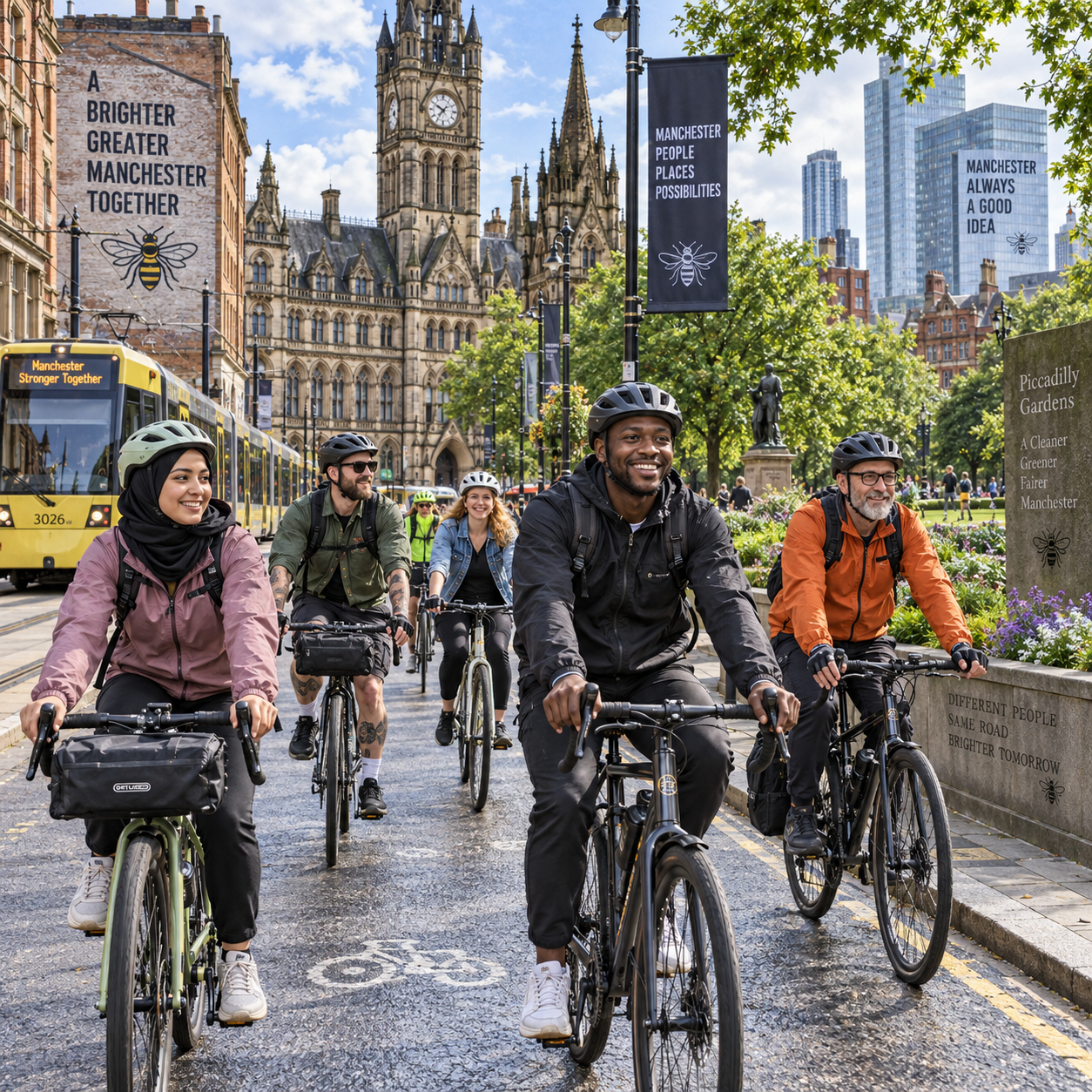
Manchester’s cycling scene includes relaxed social rides, commuter communities, road cycling clubs, mountain biking groups and performance-focused teams. Joining the right group can make city riding feel safer, more sociable and easier to sustain, whether you are new to cycling or returning after a long break.
Why Join a Cycling Club or Community in Manchester?
Joining a Manchester cycling club or community gives you local support, practical route knowledge and the confidence to ride more often. Group rides also turn cycling into a social activity rather than a solitary journey.
Manchester presents a useful mix of urban challenges and riding opportunities. Busy junctions, changing traffic conditions and unpredictable weather can make a solo ride feel demanding. Experienced local riders can share calmer streets, cycle paths, canal connections and nearby roads that may be difficult to identify on a map.
A club can also provide a gentle structure. A scheduled weekly ride creates a reason to get on the bike, while regular companions make it easier to keep attending. For beginners, that encouragement often matters more than speed or distance.
- Build confidence: Learn how to position yourself in traffic and handle junctions with support.
- Meet local cyclists: Social cycling creates friendships beyond the ride itself.
- Explore further: Group knowledge can connect Manchester neighbourhoods with parks and countryside.
- Develop skills: Practise pacing, climbing, braking, navigation and group awareness.
- Stay motivated: A regular ride helps turn occasional cycling into a habit.
The trade-off is that group riding requires flexibility. You may need to follow a planned route, maintain a shared pace or ride in weather you would normally avoid. Choose a community whose expectations match your lifestyle rather than assuming every club offers the same experience.
Types of Cycling Groups to Explore
Manchester cycling groups usually fall into several categories, including social, road, commuter, mountain bike, women-focused, beginner-friendly and performance-oriented communities. The best choice depends on your preferred terrain, pace, confidence and reason for riding.
Social and beginner-friendly rides
Social cycling groups prioritise conversation, encouragement and manageable distances. Rides may include café stops, relaxed urban loops or short evening outings. Beginner-friendly communities are particularly useful if you are unsure about riding in traffic or have not joined a group before.
Ask whether the ride uses a no-drop policy, which means the group waits for riders who fall behind. This detail can make a major difference to a newcomer’s experience.
Road cycling clubs
Road cycling clubs generally ride on tarmac and may offer several pace groups. Some focus on steady endurance rides, while others include faster training sessions, hills or sportive preparation. They suit riders who want to improve fitness, distance and group-riding technique.
Performance-oriented clubs can be motivating, but their fastest rides may not be suitable for beginners. Check the advertised average speed, distance, elevation and regrouping policy before attending.
Commuter and utility cycling communities
Commuter groups help people ride to work, college or other everyday destinations. They often focus on route confidence, cycle security, weather planning and practical urban riding rather than athletic performance.
These communities can be a good fit if you want cycling to become part of your routine. They may also help you understand how to combine cycle lanes, quieter streets and public transport connections across Greater Manchester.
Mountain biking and off-road groups
Mountain biking communities ride trails, bridleways and off-road routes rather than city streets. They may organise rides for cross-country fitness, technical skills or exploration of nearby hills and woodland.
Off-road cycling has different equipment and safety considerations. Ask about trail difficulty, bike requirements, weather conditions and whether the ride is suitable for hardtail, gravel or hybrid bikes.
Women’s and inclusive cycling communities
Women-focused and inclusive cycling groups can offer a more comfortable starting point for riders who want a particular social environment. Look for clear information about pace, accessibility, rider support and behaviour standards.
Some communities welcome families, LGBTQ+ riders, disabled cyclists or people from underrepresented backgrounds. Inclusion is strongest when it appears in practical policies, not only in promotional language.
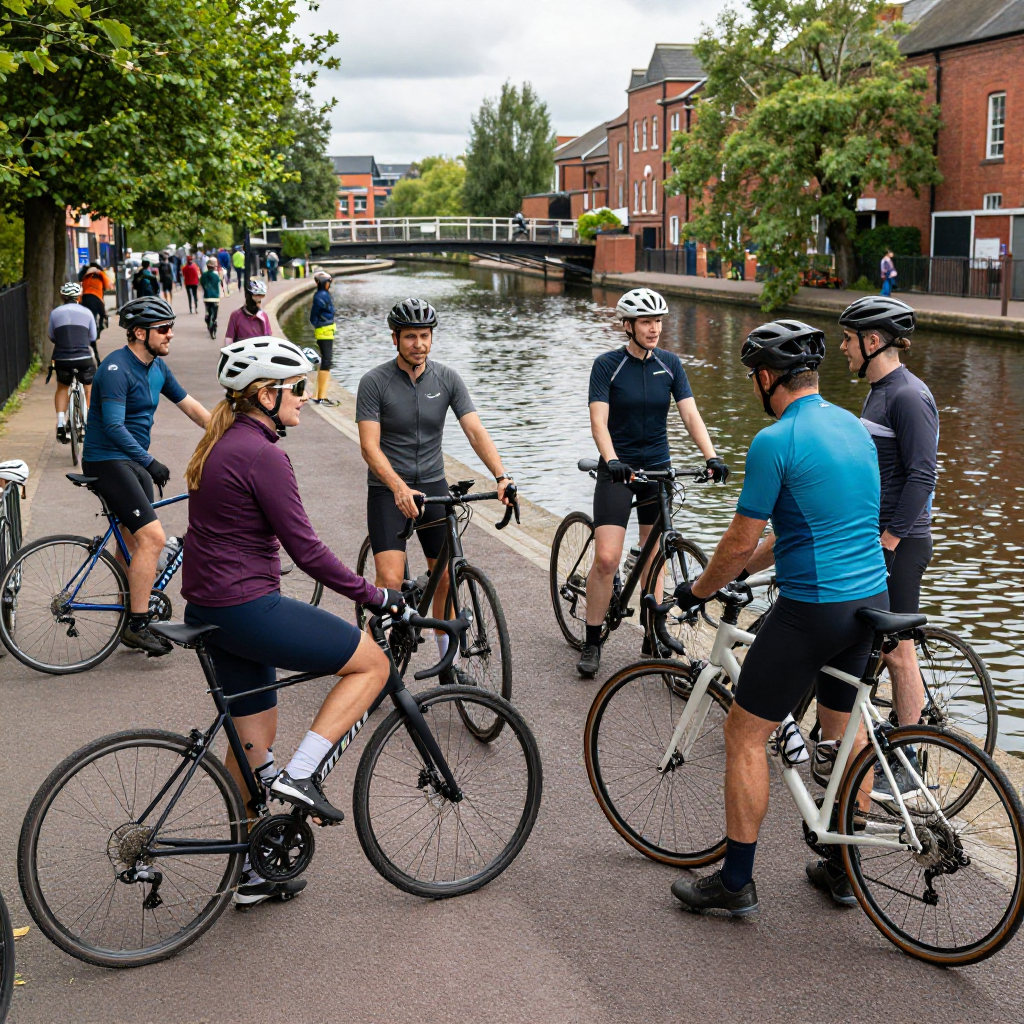
Finding the Right Manchester Cycling Club for You
To find the right Manchester cycling club, compare its pace, distance, terrain, meeting point, inclusivity and ride frequency with your actual needs. A welcoming group that fits your routine is more valuable than an impressive club you rarely attend.
Use a simple fit test before joining. Consider these questions:
- What is the pace? Look for average speed, speed bands or clear guidance for new riders.
- How far do they ride? A 15-kilometre social loop feels very different from a 100-kilometre road ride.
- What terrain is involved? Check whether rides use city streets, cycle paths, hills, trails or mixed surfaces.
- Where does the group meet? A convenient starting point improves attendance and reduces travel stress.
- How often are rides held? Weekly, monthly and irregular communities suit different schedules.
- Is membership required? Some clubs welcome guests, while others ask riders to register or join first.
- How are newcomers supported? Look for named ride leaders, clear briefings and a no-drop approach.
Contact the organiser before your first outing. Explain your experience honestly and ask which ride is the best match. Useful questions include: “Do you regroup at junctions?”, “What happens if my bike develops a problem?” and “What speed should I expect on flat roads?”
Do not choose solely by club name or social-media photographs. An active online page does not always reveal whether the group is relaxed, competitive, chatty or highly structured. One trial ride can tell you more than several weeks of browsing.
What to Expect on Your First Group Ride
On your first group ride, expect a short introduction, a route briefing, an agreed pace and regular communication between riders. You do not need to know anyone beforehand, but you should arrive early enough to prepare without rushing.
A ride leader will often explain the route, distance, expected duration, hazards and regrouping points. Some groups divide riders by speed, while others use a single conversational pace. Tell the leader if you are new, nervous or uncertain about the distance.
How group rides usually work
- Arrive 10 to 15 minutes early and introduce yourself.
- Check that your bike, tyres and lights are ready.
- Listen to the route and safety briefing.
- Stay near the rider or pace group that matches your ability.
- Signal hazards clearly and pass information backwards.
- Regroup at agreed locations rather than stopping unpredictably.
- Tell the ride leader immediately if you need to leave or slow down.
Most established cycling communities understand that riders have different abilities. Still, group norms vary. Some rides stop frequently; others maintain a steady flow. A quick conversation at the start prevents embarrassment later.
Feeling quiet at first is normal. You can participate comfortably by asking simple questions, riding predictably and joining conversations at stops. The first ride is mainly about learning how the group operates.
Essential Preparation and Cycling Etiquette
Prepare for a group ride by checking your bicycle, carrying basic essentials and learning the group’s ride etiquette. Predictable behaviour and clear communication matter more than expensive equipment.
What to bring
- A roadworthy bicycle with correctly inflated tyres and working brakes.
- Helmet, front and rear lights, especially for evening or low-light rides.
- Spare inner tube, tyre levers, pump or compatible inflator.
- Water and a small snack for rides longer than an hour.
- Phone, emergency contact details and a payment method.
- Weather-appropriate layers, waterproof protection and gloves when needed.
Manchester weather can change quickly, so check the forecast and carry an extra layer even when the start feels mild. Wear clothing that allows you to move freely, but avoid loose items that could catch in wheels or gears.
Core ride etiquette
Ride in a straight, predictable line and avoid sudden braking. Give clear hand signals where safe, call out hazards such as “bollard”, “pothole” or “car”, and acknowledge instructions passed through the group.
Hold your line when riding beside others, but be prepared to single out on narrow roads or when traffic approaches. Do not overtake without checking that the space is clear. On shared paths, slow down around pedestrians and leave enough room to pass politely.
Two common mistakes cause unnecessary problems. The first is arriving with no repair equipment, which can turn a small puncture into a long delay. The second is hiding discomfort to avoid slowing the group. Tell the leader early; a short regroup is easier than managing a preventable incident later.
For wider UK guidance on cycle safety and road behaviour, consult the UK Highway Code guidance for cyclists.
How to Connect with Local Cycling Communities
Find local cycling communities through club websites, social platforms, independent bike shops, community organisations and cycling events. Use several channels because smaller groups may have limited websites or post rides only through social media.
- Club websites: Check ride descriptions, contact details, joining instructions and codes of conduct.
- Social platforms: Search for Manchester cycling groups, social rides, commuter rides and discipline-specific communities.
- Bike shops: Local staff often know about informal rides, maintenance sessions and community events.
- Community organisations: Cycling charities and neighbourhood projects may offer guided rides or confidence sessions.
- Cycling events: Open days, maintenance workshops and public rides provide low-pressure introductions.
When contacting a group, include your approximate experience, bicycle type, preferred distance and availability. Organisers can then recommend a suitable ride instead of guessing where you fit.
Check recent posts rather than relying on an old event listing. Meeting points, seasons, routes and membership arrangements can change. Also confirm whether a ride is cancelled in severe weather and whether booking is required.
Making the Most of Manchester’s Cycling Network
Manchester cycling clubs help riders connect urban streets, parks, canals, quieter roads and nearby countryside at a pace that suits the group. Their local knowledge can make the city’s fragmented network feel more manageable.
Social rides may focus on neighbourhood connections and accessible public spaces, while road cycling clubs often link the city with longer suburban or rural loops. Commuter communities can show you practical alternatives to busy corridors, and mountain biking groups can introduce off-road options beyond the city centre.
Treat every route as changeable. Construction, events, weather, flooding and surface conditions can alter a ride from one week to the next. Follow the ride leader’s instructions and avoid assuming that a route remembered from last summer remains identical.
The most useful club is often the one that expands your confidence gradually. Start with a short, low-pressure ride, learn the group’s communication system, then try longer distances or a new discipline. Manchester’s cycling communities are varied enough to support that progression, from a first social outing to regular commuting, road endurance or off-road exploration.
Frequently Asked Questions
How do I find a beginner-friendly cycling club in Manchester?
Search for social rides, guided rides and beginner cycling communities, then ask about pace, distance, regrouping and the no-drop policy. Contact the organiser before attending so they can recommend the most suitable session.
Do I need an expensive bike to join a cycling group?
No. You need a safe, well-maintained bicycle suited to the planned route. A basic hybrid, road bike or other appropriate cycle is usually enough for social and commuter rides, although off-road groups may have specific trail requirements.
What should I bring on my first group ride?
Bring a helmet, working lights when needed, water, a snack, phone, weather-appropriate clothing and basic puncture equipment. Check the organiser’s instructions because longer or off-road rides may require additional items.
Are there cycling communities for commuters or social riders?
Yes. Manchester has communities focused on commuting, everyday utility cycling, café rides and relaxed social cycling. These groups generally prioritise confidence, practical routes and conversation rather than racing speed.
How can I find inclusive or women-focused cycling groups?
Look through local club websites, cycling organisations, bike shops and social platforms for women-focused, LGBTQ+ inclusive, family-friendly or community-led rides. Read the group’s current description and ask about accessibility, pace and support before joining.